Trading Card Game Icons: Graphics for Sellers
As someone who has spent years building a portfolio of digital products for Etsy and Creative Fabrica, I approach every new graphic design asset with a critical eye. It is not just about whether an image looks good on a screen; it is about whether it can survive the rigors of commercial use, from sublimation printing to laser cutting. Recently, I evaluated the Trading Card Game Icons collection to see if it holds up as a viable resource for creating sellable digital downloads and physical merchandise. My goal was to determine if these files could serve as the backbone for a new product line or if they were better suited for personal projects only.
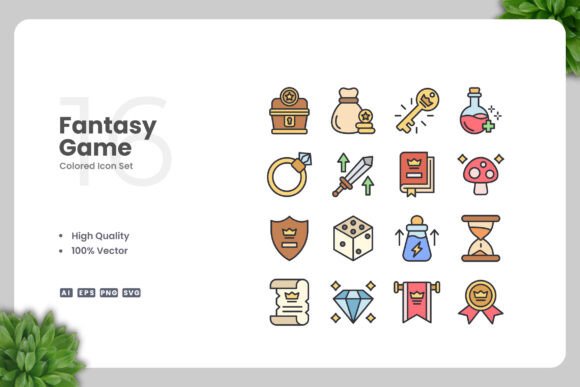
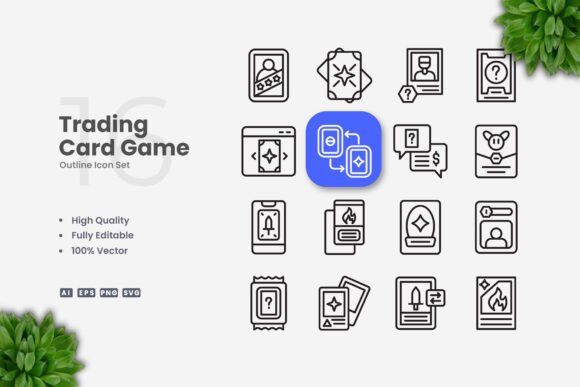
The first impression of the Trading Card Game Icons is one of deliberate minimalism. In a niche often cluttered with overly complex fantasy art, this set stands out because of its restraint. The visual personality is modern and functional, leaning heavily into a "clean UI" aesthetic that feels at home in mobile apps and sleek website interfaces. This simplicity is a massive advantage for sellers. When you are creating a printable design or a sublimation design, too much detail can often get lost in production or make the final product look dated. These icons offer a timeless quality that appeals to a broad audience, from gamers looking for organizer stickers to small business owners needing branding elements for a tech blog.
Real-World Application for Online Shops
To truly test the value of this collection, I imagined launching a seasonal bundle for a creative marketplace listing. The versatility of the Trading Card Game Icons allows them to be deployed across a wide spectrum of products. For instance, because the files are scalable, they work exceptionally well as SVG design elements for Cricut and Silhouette users. You could easily create a line of planner stickers for gaming enthusiasts or custom decals for laptop cases. The clean lines ensure that the cutting machines interpret the paths correctly, reducing the risk of weeding nightmares for your customers.
For those focused on print-on-demand services, these Graphics translate beautifully onto apparel and accessories. A t-shirt design featuring a minimalist arrangement of these icons could target the "gamer dad" demographic or the e-sports community without feeling juvenile. Similarly, they are perfect for a mug design where clarity is key; a busy graphic often fails on a curved surface, but these simple shapes remain distinct. I also see strong potential for using them in Canva template kits. Content creators are constantly seeking neutral yet thematic elements to build social media posts, and these icons can be resized and recolored to fit various brand palettes instantly.
Beyond digital and fabric applications, the set is robust enough for physical stationery. Imagine a design bundle that includes greeting cards for gamers or invitation templates for a birthday party with a card game theme. The icons can act as decorative borders or focal points. Because the style is so adaptable, you can pair them with a bold display font for a high-energy flyer or a delicate script font for a more elegant invitation, giving you flexibility in how you position the product in your shop.
Enhancing Product Presentation and Trust
In the crowded world of online selling, your product mockup is everything. The Trading Card Game Icons excel here because they provide immediate visual hierarchy. When used in listing images, they draw the eye without overwhelming the text. If you are selling a digital product like a budget tracker or a habit journal, incorporating these icons into your preview images can signal organization and clarity to potential buyers. This perceived value is crucial for converting browsers into buyers.
Furthermore, consistency builds brand identity. By using a cohesive set of Icons across your entire shop—from your logo to your thank-you cards—you establish a professional small business branding presence. Customers are more likely to trust a seller whose visuals look intentional and polished. These assets allow you to create themed collections, such as a "Gamer Organization" series, which can increase the average order value through bundling strategies.
Strategic Placement and Limitations
While the Trading Card Game Icons are highly versatile, there are specific contexts where they should be used with caution. Due to their simple nature, they might get lost if used as tiny details on a large, chaotic background. For example, placing a single icon on a dark, textured packaging design without a contrasting border could result in poor visibility. It is essential to test contrast ratios, especially if you are creating social media graphics that need to pop on small mobile screens.
Additionally, while they are great for general decoration, they may not be suitable for projects requiring intricate cut lines if the stroke weight is too thin for certain materials. If you are marketing these as part of a Cricut project kit for vinyl, ensure you advise customers on the minimum size for cutting to prevent tearing. They are less effective for products that rely on heavy texture or a rustic, handmade feel, as their digital precision leans more towards the corporate or modern tech side of the spectrum.
Practical Notes for the Commercial Seller
Before adding any commercial design to your inventory, rigorous testing is non-negotiable. Here is my checklist for integrating the Trading Card Game Icons into your workflow:
- Mockup Testing: Always place the icons on real-world mockups, not just flat colors. See how they look on a ceramic mug versus a cotton tote bag.
- Background Checks: Verify the PNG design transparency on both white and black backgrounds to ensure no halos or artifacts appear.
- Print Verification: Run a test print to check color accuracy, especially if you plan to sell physical goods via print-on-demand.
- Cut Quality: If offering as an SVG design, open the file in your cutting software to ensure all paths are closed and ready for weeding.
- File Organization: When delivering these to customers in a design bundle, organize folders clearly by format (SVG, PNG, EPS) to reduce support tickets.
- Font Pairing: Experiment with pairing these icons with a clean sans serif font for a modern look or a handwritten font to add a human touch to the digital aesthetic.
- Licensing: Double-check the commercial license terms to confirm you are allowed to sell end-products made with these assets, especially for print-on-demand items.
Ultimately, the Trading Card Game Icons represent a solid investment for digital entrepreneurs looking to expand their catalog with versatile, high-quality illustration assets. They bridge the gap between utility and aesthetics, making them ideal for everything from infographics to flyer designs. By understanding their strengths in clarity and scalability, and respecting their limitations regarding complexity, you can leverage this graphic design asset to create a professional, profitable, and visually consistent product line.